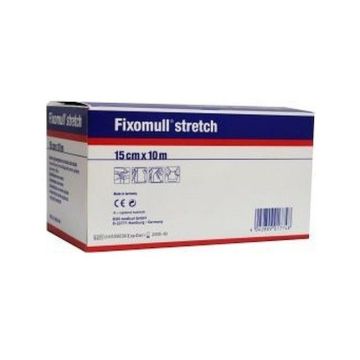
Windsels - What are Windsels and why are they important?
Bandages are essential aids in medical care and sports injuries. They are used to support joints, protect wounds and provide compression for swelling. In the bandages category you will find various types of bandages that help stabilize body parts during the recovery process. The correct use of bandages promotes faster recovery, provides comfort and prevents further complications. This makes bandages indispensable for both healthcare professionals and people who want to treat their injuries themselves.
Benefits of bandages
The use of bandages offers several advantages, depending on the type and application:
- Compression: Bandages help reduce swelling and improve blood circulation, which is essential for injuries such as sprains or bruises.
- Support and stabilization: By supporting joints or muscles, a properly applied bandage prevents further damage and provides comfort during recovery.
- Wound protection: Bandages protect wounds against external influences and reduce the risk of infections, which promotes the healing process.
- Comfort: Wraps can alleviate the discomfort of injuries by providing light compression, which is especially helpful for sports injuries or post-operative care.
Whether for sprains, bruises or wound care, bandages are versatile aids that can be used in different ways.
Types of bandages
There are various types of bandages available, each with their own unique applications and benefits:
- Elastic bandages: These stretchy bandages are ideal for providing compression and support for injuries such as sprains. They adapt easily to the shape of the body.
- Gauze Bandages: Lightweight bandages used to hold bandages in place without applying extra pressure. They are breathable and suitable for protecting wounds.
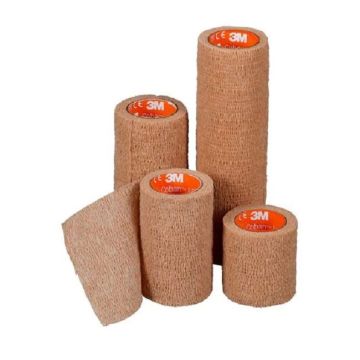
- Self-adhesive bandages: These bandages adhere to themselves, so you don't need clips or tape. This makes them easy and quick to apply, ideal for emergencies or sports injuries.
- Compression bandages: Bandages that apply specific pressure to reduce swelling, often used for conditions such as varicose veins or lymphedema.
- Hydrophilic bandages: These bandages retain moisture and help promote the healing process of wounds.
Choosing the right type of bandage depends on the purpose. For sports injuries such as a sprained ankle, an elastic or self-adhesive bandage may be suitable, while gauze bandages are better for protecting wounds.
How to use bandages?
Properly applying a bandage is crucial to achieve the maximum effect. Here are some tips for using bandages:
- Clean the skin: Make sure the skin is clean and dry before applying the bandage to ensure it stays in place and prevents infections.
- Start at the base: Wrap the bandage from the narrowest part of the joint, such as the ankle, and work your way up. This ensures even compression.
- Check tension: The bandage should be tight enough to provide support, but not so tight that it restricts blood circulation.
- Attach securely: Use self-adhesive bandages or clips to secure the bandage properly.
- Avoid wrapping too tightly: Wraps that are too tight can lead to reduced blood flow and discomfort.
Common mistakes include wrapping the bandage too tightly, which can restrict blood circulation, and not tightening it properly, which can cause the bandage to come loose.
Product range and selection aid
At FysioSupplies we offer a wide range of bandages that are suitable for different applications. From elastic and mesh bandages to compression bandages, our products provide the right support for every situation. When choosing the right bandage it is important to take into account:
- The type of injury: For sprains or bruises, elastic or compression bandages are the best choice, while for wound care gauze bandages are recommended.
- The amount of compression: Bandages with extra compression can help reduce swelling.
- The material: Provide breathable material for prolonged use to prevent skin irritation.
With our extensive range of bandages you can always find the right product for your specific needs, whether you are a healthcare professional or want to treat your injury at home. Use our tape guide to discover which type of bandage or tape best suits your situation and injury.